The moving bookcase that gives access to the Secret Annex leads you to rooms where time seems to stand still and Anne Frank spent more than two years in hiding.
The Anne Frank House consists of three connected canal houses where Anne Frank and seven others hid during World War II. The museum tells Anne Frank's life story through her original diary, quotations, photographs, films and objects from the time. Visitors experience in the rooms the atmosphere of life in the Secret Annex, a silent witness to an extremely difficult period. The exhibitions also provide a broader context, focusing on persecution and discrimination.
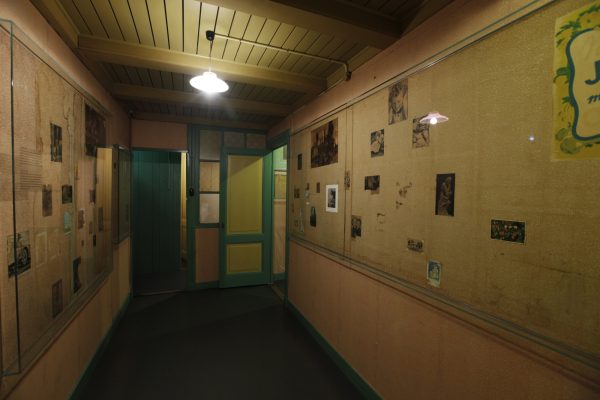
Behind the organization is the Anne Frank House. The 1999 expansion was designed by Benthem Crouwel, with interior redesign by Marijke van der Wijst to preserve the historic character. In 2021, new educational spaces were added and logistical improvements were made to optimize visitor flow. Digital tours were introduced as early as 2010 to make the museum more accessible. The museum's program includes educational projects for groups and schools, introductions prior to visits, special temporary exhibitions, and an international youth networking effort around Anne Frank.
The rooms in the Secret Annex exude the authentic atmosphere of that time through original objects, photographs, films and excerpts from Anne Frank's diary.
The Anne Frank House remains a place that keeps history alive and where the historical context surrounding persecution and discrimination receives emphatic attention. In doing so, the museum seeks a balance between education, heritage preservation and making Anne Frank's story accessible to a wide audience.
Museums in Amsterdam