Upon entering the Allard Pierson Museum, the contrasts between past and present dominate the space. The exhibition "Not My Soul: Slavery, Law and Freedom" invites you to explore two different time periods: the Roman Empire and Suriname during the colonial period. The smells of old paper and weathered wood transport you to a time when slavery was an unpleasant reality for many.
The exhibits tell stories of slavery mostly seen through the eyes of those in power, but this exhibition focuses precisely on those who lost their freedom. Papyrus fragments show us ancient trade transactions, including that of 22-year-old Alexandra, who moved twice as property from one owner to another. This documentation shows how entrenched the slavery system was in antiquity. In contrast, the Surinamica Collection exhibits travel journals, manumission letters and placard books that give us insight into how slavery was legally regulated in the colonies.

The influence of Roman law on the colonial slavery system is evident in the way laws and regulations were drafted. During transatlantic slavery, ethnicity increasingly became the basis for slavery, which meant harsh and inhumane segregation between black and white. Despite the legal frameworks, enslaved people still managed to maintain their voice and identity, something that is evident in the developed language and cultural practices reported in the exhibition.
Not My Soul powerfully demonstrates how stories of unfreedom and resistance reverberate throughout history.
Through contemporary art such as the work "Fugitives" by Kathryn Smith and Pearl Mamathuba, which transform eyewitness accounts into powerful images of pride and identity, the exhibition transforms historical narratives into a personal experience. Thanks to these artworks and interviews with descendants of enslaved people, it becomes a nuanced examination of an ongoing relevant topic. The exhibition calls on Amsterdam residents to see and discuss the traces of this history in their own city.
Location
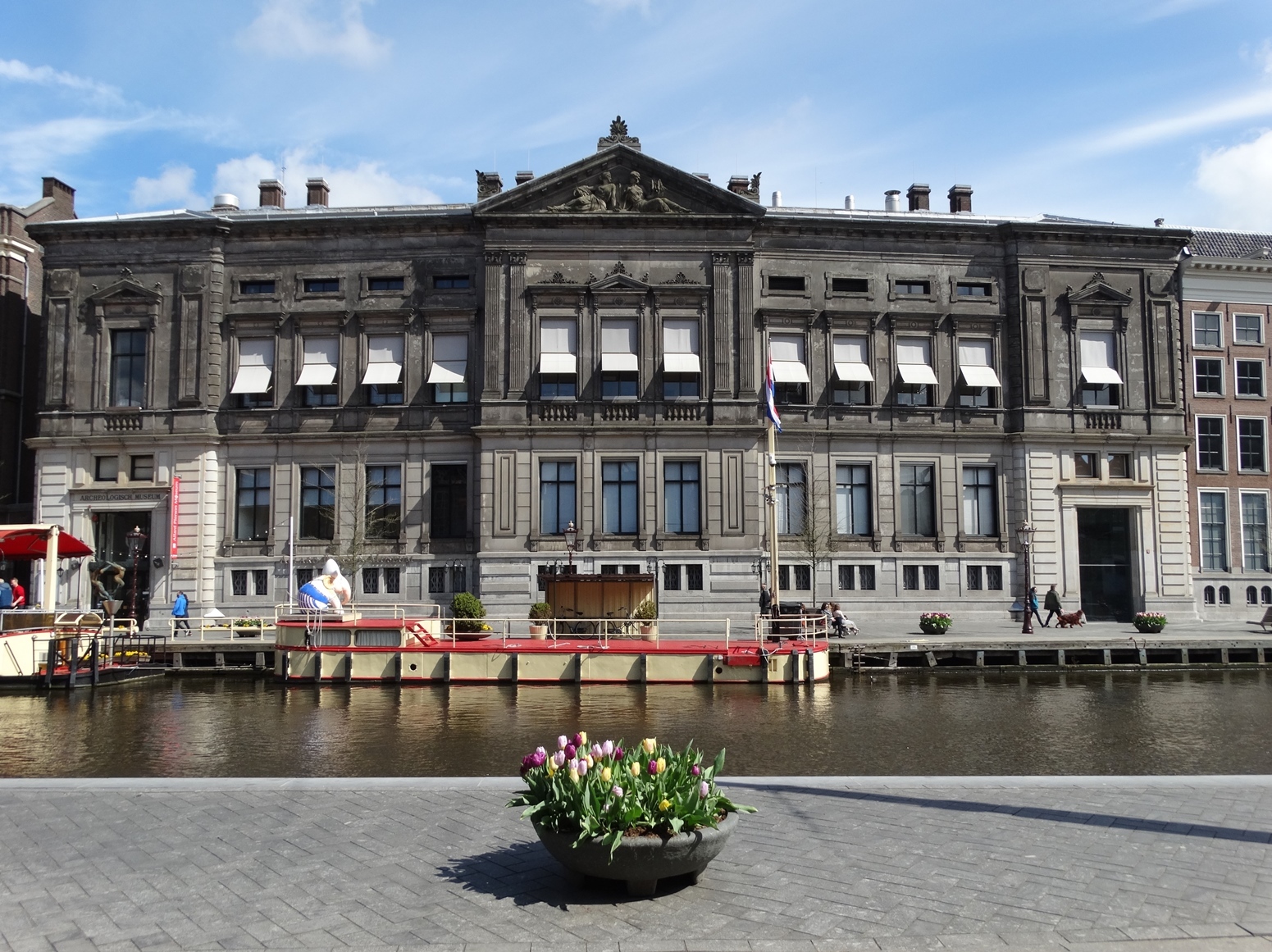
Allard Pierson Museum: archaeological treasures and university history
Explore the rich collections of classical antiquity at the renovated museum on the Oude Turfmarkt
The Allard Pierson Museum is named after the first professor of classical archaeology at the University of Amsterdam. Officially opened in 1934, the museum houses extensive collections representing various ancient civilizations, such as Egypt, the Near East, the Greek world, Etruria and the Roman Empire. The museum building is located on the Oude Turfmarkt and is a national monument. ...
Read more