The Van Gogh Museum is considered the epitome of Dutch artistry and attracts millions of visitors from all over the world every year. What makes this place so unique is the size and coherence of the collection. Nowhere else can so many works by Vincent van Gogh be seen together. Iconic paintings such as Almond branches in bloom, Sunflowers and The Starry Night do not hang here as individual masterpieces, but together form a visual diary of his development as an artist.
What is immediately noticeable during a visit is how personal the experience feels. Because of the chronological structure of the collection, you follow Van Gogh's artistic quest up close. From his dark, somber early days in the Netherlands to the explosion of color and expression in France - each room tells a new chapter. In addition, his works are placed in context by showing them alongside paintings by other nineteenth-century artists. This provides a deepening perspective and shows how innovative Van Gogh actually was within his time.
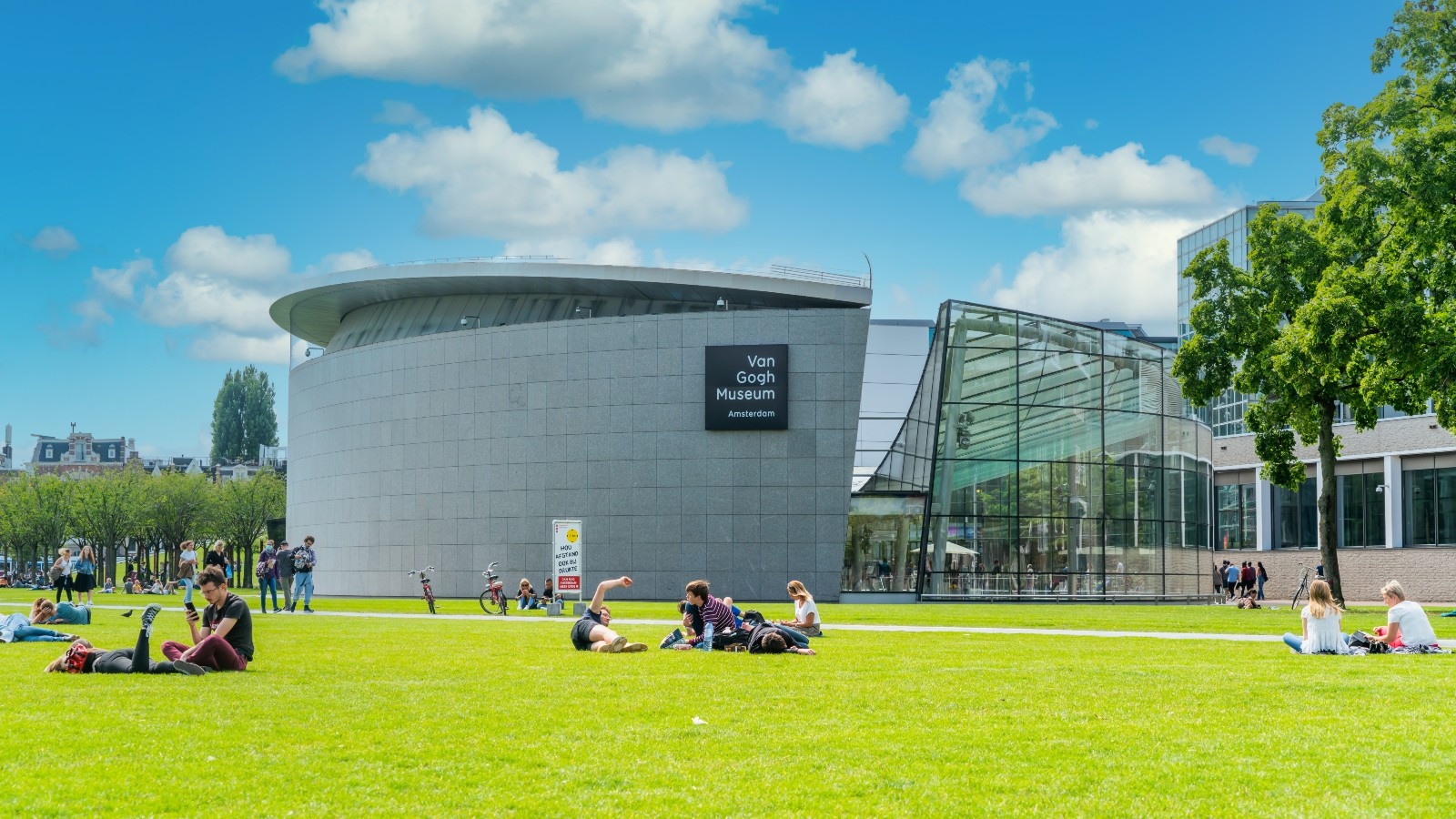
The museum itself has at least as interesting a story as the art it houses. Its creation is due to a special collaboration between Van Gogh's heirs and the Dutch state. After his death, much of his work remained in family possession, but concerns arose that the collection would one day become fragmented. So in 1962 a unique agreement was made: the family transferred the entire collection to the Vincent van Gogh Foundation, while the state undertook to build and maintain a museum. The result is a place where art is not only preserved, but also accessible to the general public.
“Anyone who walks through the Van Gogh Museum is not just looking at art - you are looking straight into the soul of an artist who changed the world forever.”
The architecture of the Van Gogh Museum reflects this combination of history and progress. The original building, designed by Gerrit Rietveld, opened in 1973 and is characterized by its clean, functional lines. The complex was later expanded with an exhibition wing by Japanese architect Kisho Kurokawa, added in 1999. This mix of styles gives the museum a dynamic character in which old and new blend seamlessly. The addition of a modern glass entrance in 2014 completes the complex and provides an open, inviting entrance to the world of Van Gogh.
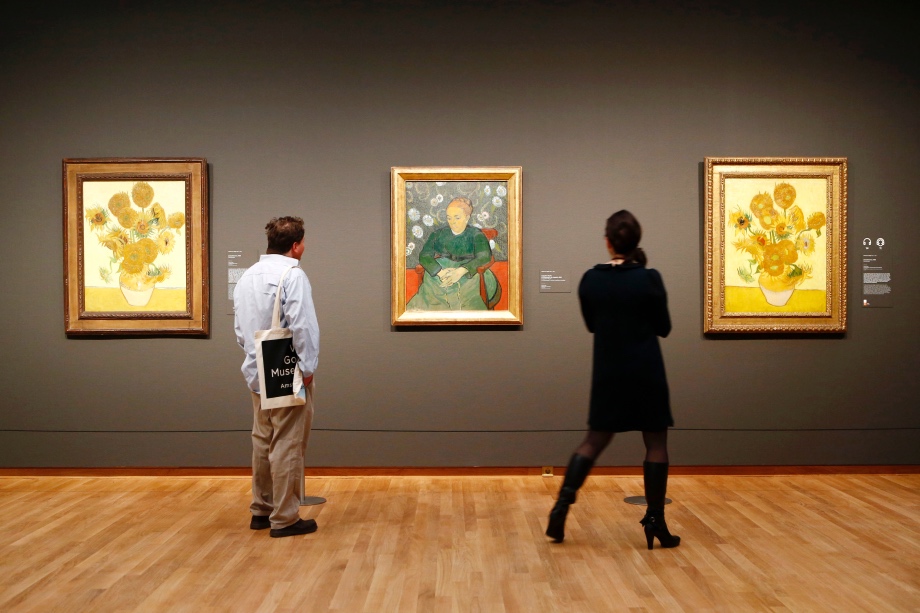
In addition to the permanent collection, the museum offers a rich program of temporary exhibitions. These exhibitions highlight diverse themes from nineteenth-century art history and make surprising connections between Van Gogh and other artists, movements and zeitgeists. This keeps the museum continuously innovative and inspiring even for returning visitors.
This makes the Van Gogh Museum not only a place to admire art, but also to understand, feel and experience it. It brings you closer to the person behind the paintings and shows how his work, once misunderstood, grew into a universal language that touches people worldwide.