Radical Histories: Chicano Prints from the Smithsonian American Art Museum is a traveling exhibition now descending on H'ART Museum. In the galleries you will see about sixty prints by Chicano and Chicanx artists, drawn from the collection of the Smithsonian American Art Museum. The works span several decades and show how printmaking has been used to record history, protest and daily life.
The exhibition is curated by curator Claudia Zapata for the Smithsonian American Art Museum. Zapata works on Latin American and Latinx art within SAAM and arranges the prints around themes of civil rights, labor struggles, indigenous heritage and neighborhood cultural centers and workplaces. In the exhibition, see how artists use printmaking techniques to support strikes, demonstrations and political campaigns, as well as to preserve stories from their own communities.
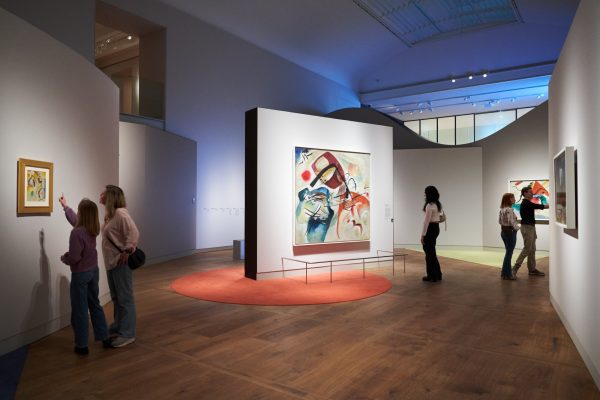
Hanging in the museum galleries are prints with accompanying wall texts that interpret Chicano and Chicanx history and activism. You walk past images in which struggles for fair wages recur, portraits of community leaders and references to Mexican and indigenous iconography. The combination of text and image makes clear how graphics function as tools for both action and documentation.
In the museum galleries hang the prints with accompanying wall texts that interpret Chicano and Chicanx history and activism.
The exhibition travels internationally and was previously on view at institutions such as The Huntington in California. The presentation at H'ART Museum brings this American print tradition to a Dutch and European audience. In doing so, the museum taps into broader conversations in the city about diaspora, identity politics and resistance. Those who visit in the coming months will get an overview of decades of Chicano printmaking and the many ways in which image, text and printmaking combine to become a political tool.
Location
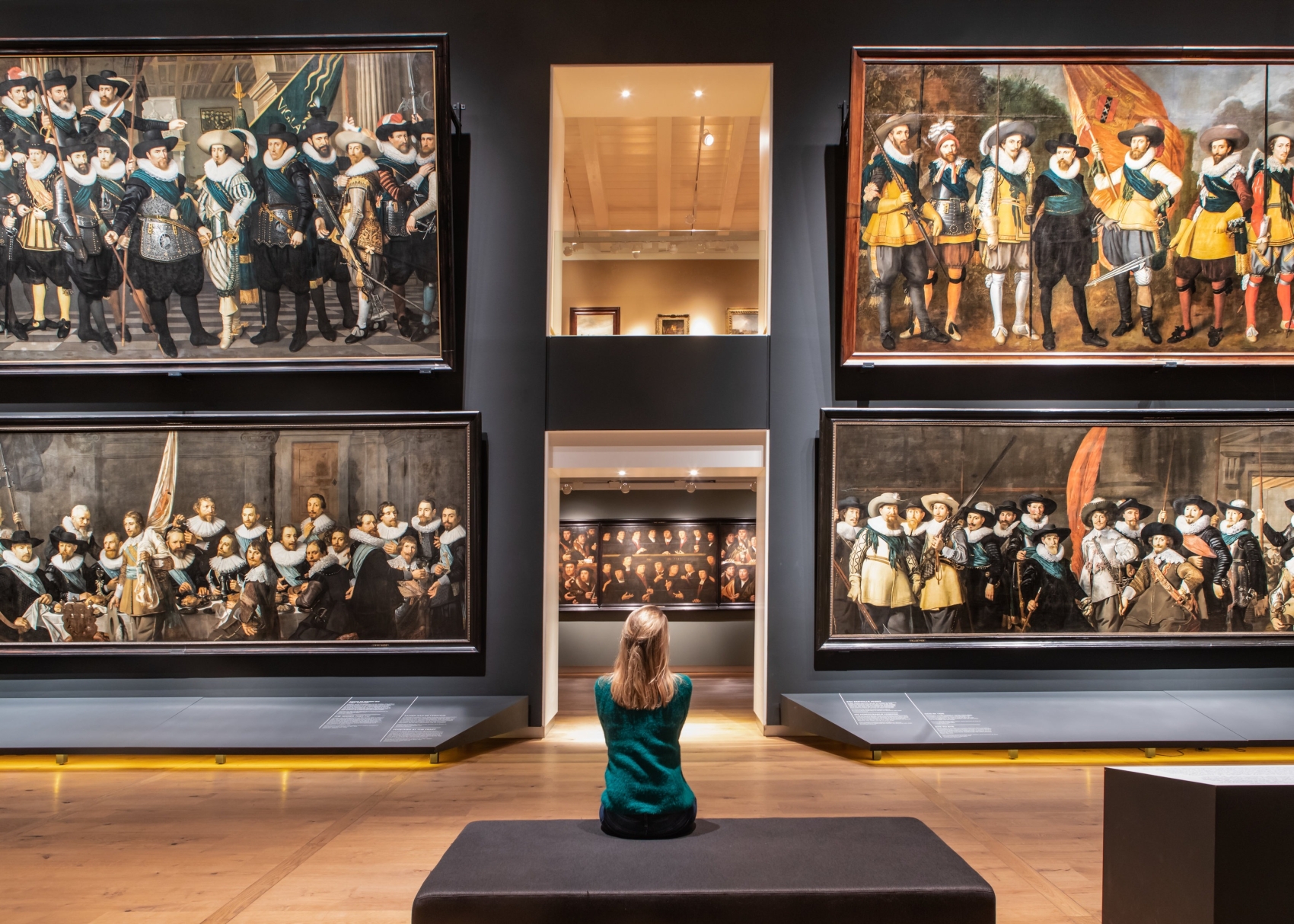
H'ART Museum: Art and stories from famous museums
H'ART is a cultural oasis - with a unique courtyard on the Amstel River
The H'ART Museum is located in the monumental Amstelhof, a historic complex from the seventeenth century that once served as a home for the elderly. With its stately courtyard, long galleries and characteristic facade on the Amstel River, the building has been a special part of the Amsterdam cityscape for centuries. After years of working with the Russian ...
Read more