The Paleis op de Dam is showing for the first time a large survey of Artus Quellinus (1609-1668), the Antwerp sculptor who gave the seventeenth-century Town Hall - now the Royal Palace - its un-Dutch grandeur. More than a hundred top works and models will come together, complemented by loans not previously on view in the Netherlands. The exhibition runs in the palace itself, allowing you to see Quellinus' marble city story in the place for which it was created.
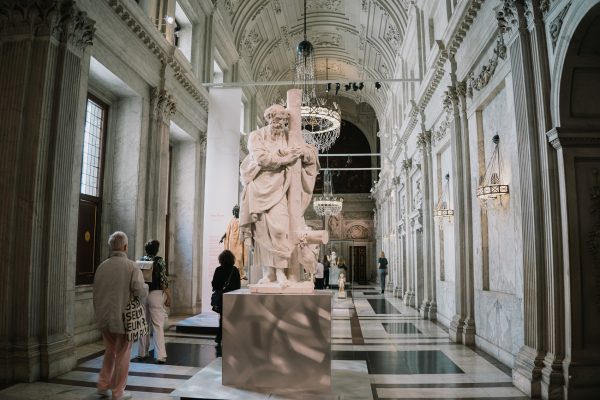
Quellinus worked for years on the imagery of City Hall: citizens virtuous, cities as personifications, Amsterdam as a world player. His terracotta models and sketches show the making process - from clay to stone, from idea to ideology. The presentation is a tribute to the craft as well as a look at the message behind the marble: justice, commerce, cosmography, power.
The exhibition is a collaboration between the Royal Palace and the Rijksmuseum and counts as an anniversary gift to the birthday city. This makes the context extra rich: Quellinus is presented not only as a virtuoso sculptor, but also as a shaper of Amsterdam's self-image. Family traces and public programs help young and old read the iconography - a great opportunity to unravel the "stone story."
"Here the marble not only tells history - it shows how a city wants to see itself."
What makes the experience exceptional is the location: the halls, stairwells and the Vierschaar are not scenery but content. You don't walk through a white cube; you move through the work itself. Thus the visit tilts from "looking at" to "looking ín" a monument. The exhibition proves how topical this baroque propaganda still feels: the city representing itself - then and now.