How the project came about
Blok photographed pregnant people in different European countries for two and a half years, at various stages of pregnancy. Her experiences in a Dutch abortion clinic raised pressing questions about freedom of choice and autonomy over the female body.
Her Dutch-Polish background plays a role in the work: awareness of shifting ideologies between East and West runs like a thread through her practice. Poland has one of the strictest abortion bans in Europe. The Netherlands does not. Blok worked in both contexts and does not explicitly name that contrast, but she makes it felt.
What you see in Foam
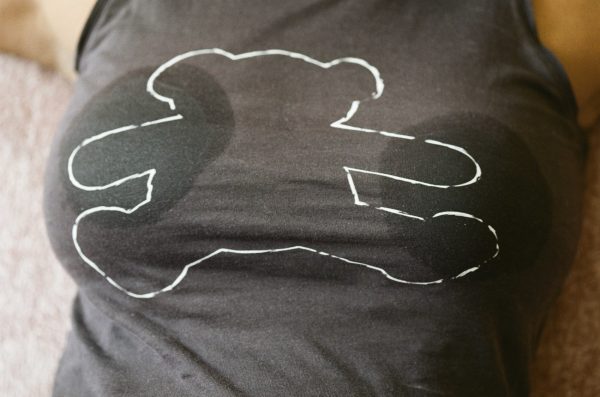
The exhibition weaves together portraits, close-ups, abstract images and scenes of children at play with excerpts from diaries, notes and observations. Nothing is neatly divided by theme. You walk past a portrait of a pregnant woman, then a close-up of toys, then a handwritten note from the clinic. In the center of the room is a block of text with her testimony of work at the abortion clinic - this creates a direct dialogue between word and image.
The title Love Shit refers to the messy reality of procreation, in which playful levity, physical change and conflicting emotions intermingle.
Love Shit moves between vulnerability and discomfort in an emotionally ambivalent exploration of reproduction, freedom of choice and bodily autonomy - topics that are gaining urgency around the world as women's reproductive rights come under increasing pressure.
Analog and close
All photographs were taken on analog 35mm. Blok photographs pregnant women, children and couples, in addition to abstractions and diary fragments. The choice of analog is not a stylistic device but a way of working: slower, closer to the people in front of the lens. Blok builds long-term relationships with her protagonists and works within specific contexts.
Running simultaneously with Love Shit at Foam is also War Is Personal by Julia Kochetova - a photographic diary from Ukraine. Two exhibitions that at first glance have nothing to do with each other, but both show how the political touches the body.