The sound of footsteps on the marble staircase echoes down the spacious hallway of Museum Van Loon. The double facade with four statues towers on Keizersgracht, where gardens and a carriage house frame the historic house.
Built in 1672 by architect Adriaen Dortsman, the canal house was the first home of Ferdinand Bol, a pupil of Rembrandt. The Van Loon family took possession of the house in 1884 and lived there until 1945. Since 1973, the property has been a museum, managed by the Van Loon Foundation, with the family still living in the upper floors.
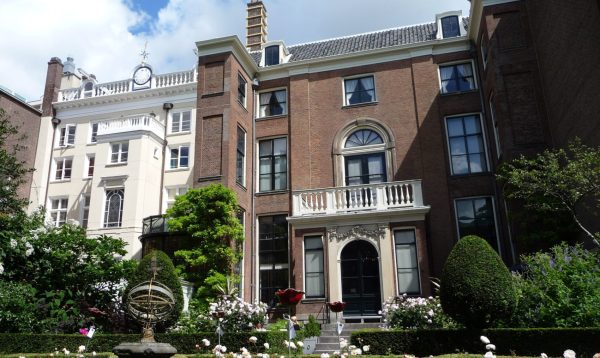
The collection displays a rich family history with portraits dating from the 17th to 20th centuries. Period rooms contain paintings and sparkle with furniture, porcelain and silverware in Louis XV style from the 18th century. The carriage house, once converted into a garage, displays carriages and associated equipment. There are also rare objects such as hand-painted 18th-century sledges and Japanese lacquerware cabinets. The museum also hosts contemporary art exhibitions and participates in Open Garden Days, where the formal 17th-century garden is accessible.
The grandiose marble staircase with copper balustrade is the impressive heart of the interior, connected to richly decorated rococo rooms.
With its combination of a living house, historic art and furniture, and a formal garden, Museum Van Loon remains a monument where the history of a prominent family and the architecture of the golden age tangibly come together.
Museums in Amsterdam