Few places in the city carry such a fraught history as The Warehouse on Elementenstraat. Between April 1992 and May 1993, the Multigroove crew organized 61 illegal raves here in an abandoned peanut factory. No permit, no fuss. Just loud music in a bare building, and that's where the Dutch gabber sound was born. On May 15, 1993, the police raided the place and it was over. The building remained closed for almost twenty years after that.
The people behind that first period are now legendary. Ilja Reiman, co-founder of the Multigroove crew, built the concept from nothing. On the turntables were names like The Prophet, Buzz Fuzz, Gizmo, Dano and Flamman & Abraxas. Those names mean little if you didn't grow up in gabber, but in that world they were pioneers. It was raw, it was loud, and it was exactly what it needed to be.
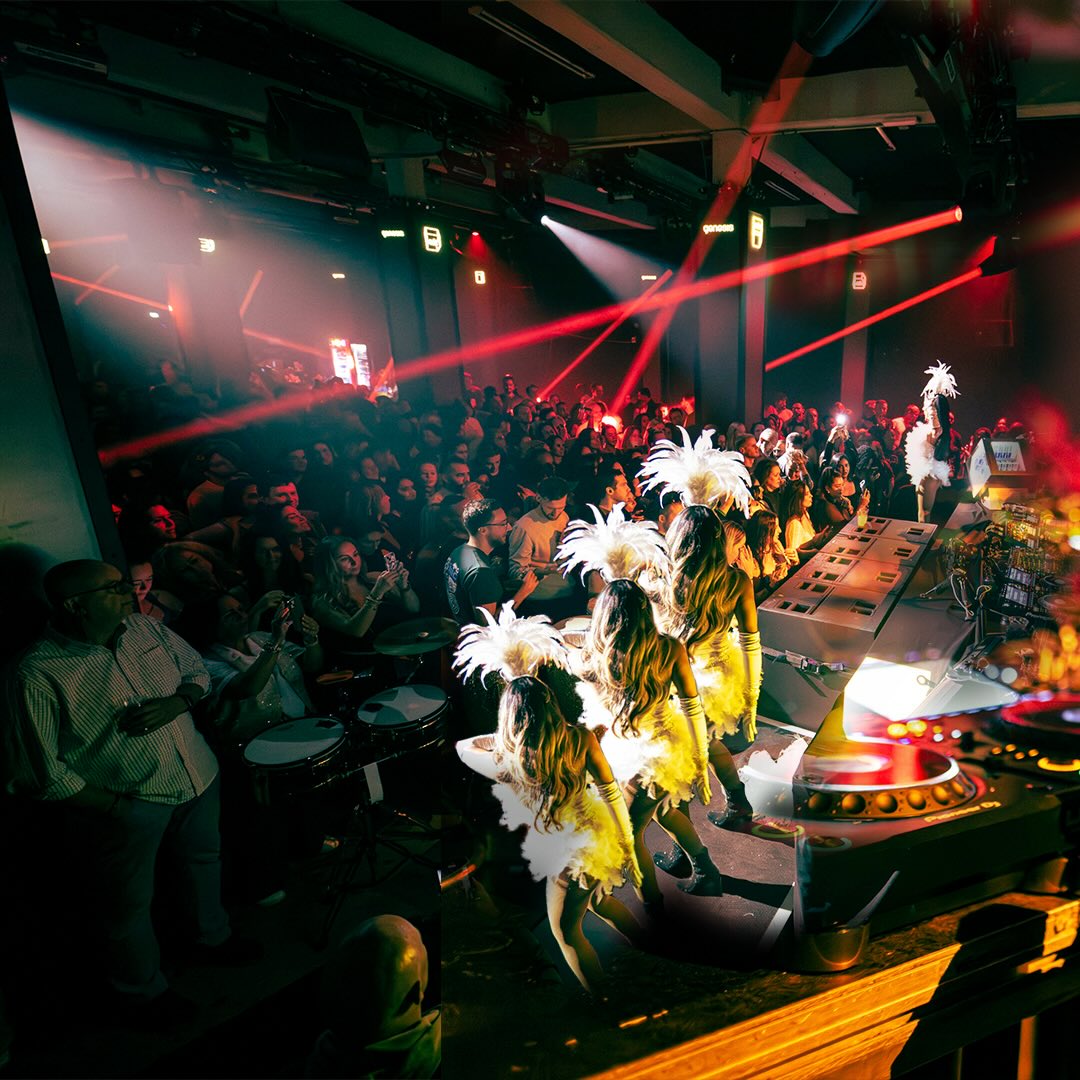
In 2014, the well-known festival organizer bought the building and literally pulled everything out of it. The former peanut factory was gutted and converted into a modular concrete maze with multiple rooms, improved acoustics and a serious sound system. Capacity tripled from the original rave period: The Warehouse now fits 3,000 people. Each space is configurable, from small club night to indoor festival. ID&T didn't just rent the building to whomever wanted to rent it. It remained a home for underground electronic music, in the neighborhood around the Isolatorweg metro station, in the middle of industrial west.
The building doesn't look like much from the outside. But it did in 1992, and then it changed Dutch dance music forever.
At the bars you pay by card only, re-entry is not involved, and lockers are available on site. Practical details, but handy to know before you leave. The Warehouse can be reached via Isolatorweg subway station, a few minutes' walk away. The building doesn't look like much from the outside. But it did in 1992, and back then it changed Dutch dance music forever. Few places can say that.