In the Museum Quarter, where stores come and go and concepts disappear within a year, Sama Sebo has been in place for more than 55 years. It is the oldest Indonesian restaurant in the Netherlands. Founder Sebo Woldringh and his wife Gea Kok started here in 1969, in the historic building known as De Posthoorn. That building has been there since 1894. The restaurant sits there, and it's not going anywhere.
The basis is the Rice Table: a table full of small dishes served simultaneously, each with its own flavor and preparation. For 42.50 euros per person, you get the house selection. Javanese cooks with years of experience have been making dishes like babi ketjap, daging madura, ajam, sateh and gado-gado for decades. The sateh comes with a peanut sauce you won't soon forget, and the gado-gado, the classic Indonesian salad, is a dish in itself. With it you hear nasi, steamed and simple, just the way it should be. And sajor, the vegetable dish that completes the table.
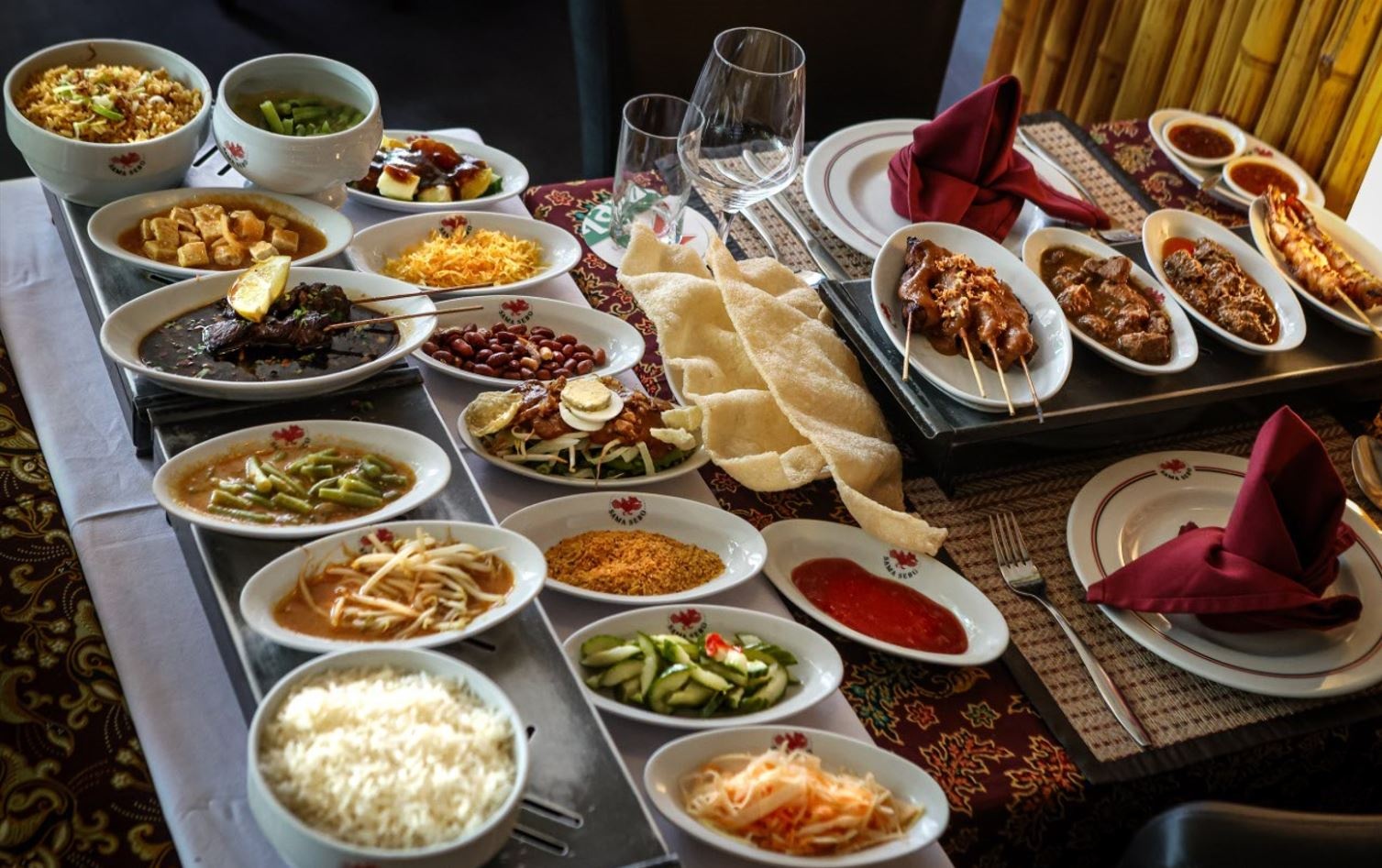
The atmosphere is something you don't mimic. The service wears traditional batik clothing, the interior exudes warmth, and the feeling is that you are stepping into somewhere where being a regular regular is an honor. Sama Sebo has been called the living room of the city, and if you've sat there once you know it's just right. People come back here, year after year. The Rice Table Sama Sebo Special costs 27.00 euros per person and offers a smaller but carefully curated selection of classics.
Sama Sebo has simply been good for 55 years, and that is more than enough.
Sama Sebo has simply been good for 55 years, and that's more than enough. Anyone in the Museum Quarter looking for a table that doesn't need to reinvent itself knows where to go. At 27 P.C. Hooftstraat, in an 1894 building, where the Rice Table is still the undisputed star of the menu.