The World Museum in East is part of a larger museum group: the National Museum of World Cultures. Within that group, it hangs out with Wereldmuseum Leiden, Wereldmuseum Rotterdam and Wereldmuseum Berg en Dal. The institution manages an extensive ethnographic collection of more than 175,000 objects, plus large photo and document archives. These include many items from former Dutch colonies, as well as material from other regions.
The museum opened in 1926 as part of the then Colonial Institute. Later it was called Tropenmuseum and since 2023 it has carried the name Wereldmuseum. The name change followed an earlier merger in 2014, when collection and organization were merged with other Dutch museums of world cultures. The museum's history thus parallels changing discussions about colonialism, heritage and the role of museums.
The permanent exhibit focuses on "Our Colonial Inheritance." Here the focus is on the colonial history of the Netherlands and its legacy in the present. The presentation emphasizes the consequences of colonialism and the way they permeate questions of identity, power and daily reality. In doing so, historical objects are combined with contemporary perspectives and stories.
The permanent exhibit focuses on "Our Colonial Inheritance."
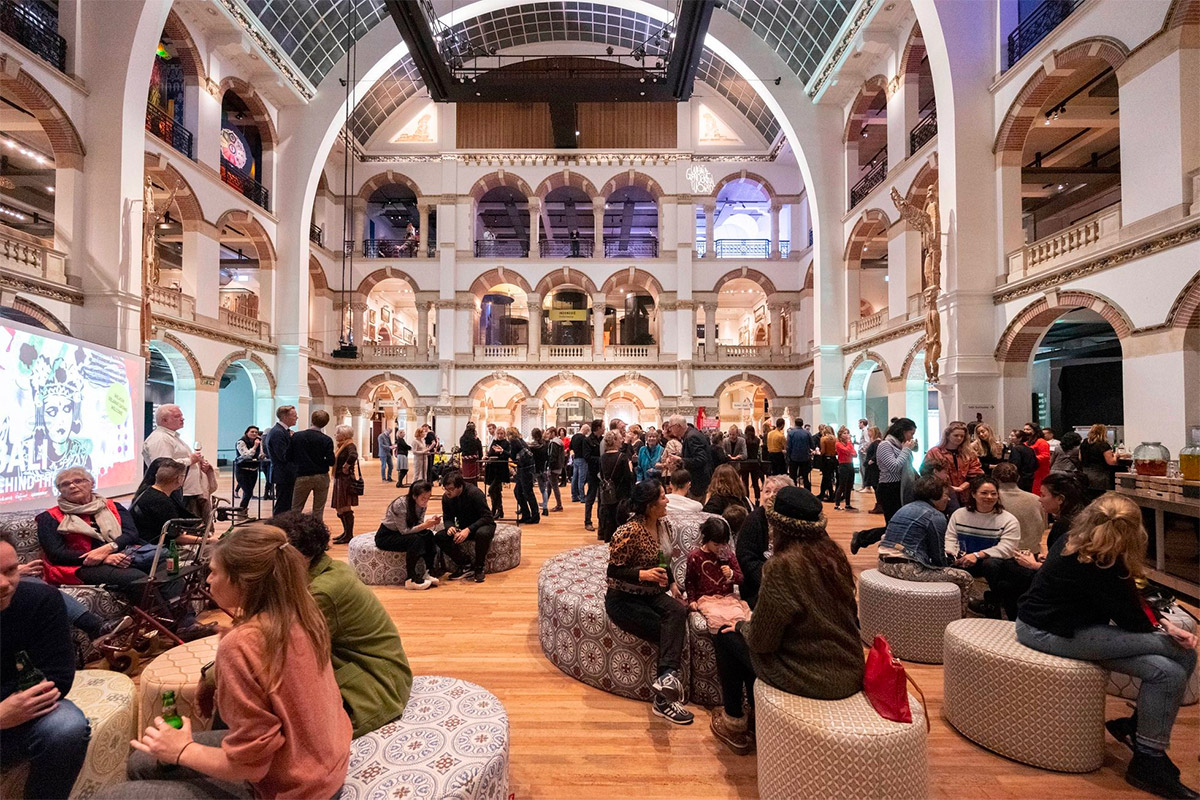
The spaces of the museum itself play into the experience: large rooms in a 1920s landmark building, where historic architecture merges with contemporary exhibition forms. Objects, multimedia and scenography are combined to reveal different layers of a story. In Oost, this gives the World Museum a clear role as a place where world history, local experiences and current discussions come together.