There was so much demand for tickets that a fifth performance proved insufficient. A sixth has been added, on Sunday, May 3, at 8 p.m. That really says it all about what Hans van Manen has meant to Dutch dance. Between April 30 and May 3, 2026, the Dutch National Ballet will pay tribute to the choreographer who was associated with the company for more than sixty years and created more than 150 works.
The program opens with Live, the video ballet that Van Manen created in 1979 and that had its world premiere at the same location, in Carré's circus arena. The setup is as simple as it is ingenious: a dancer can be seen simultaneously live on stage and via live camera images on a large video screen. To music by Franz Liszt. In 1979, this was downright revolutionary, and even now it is a work that sticks. That the Dutch National Ballet has chosen to bring this piece back to the exact same auditorium, 47 years later, is no coincidence.
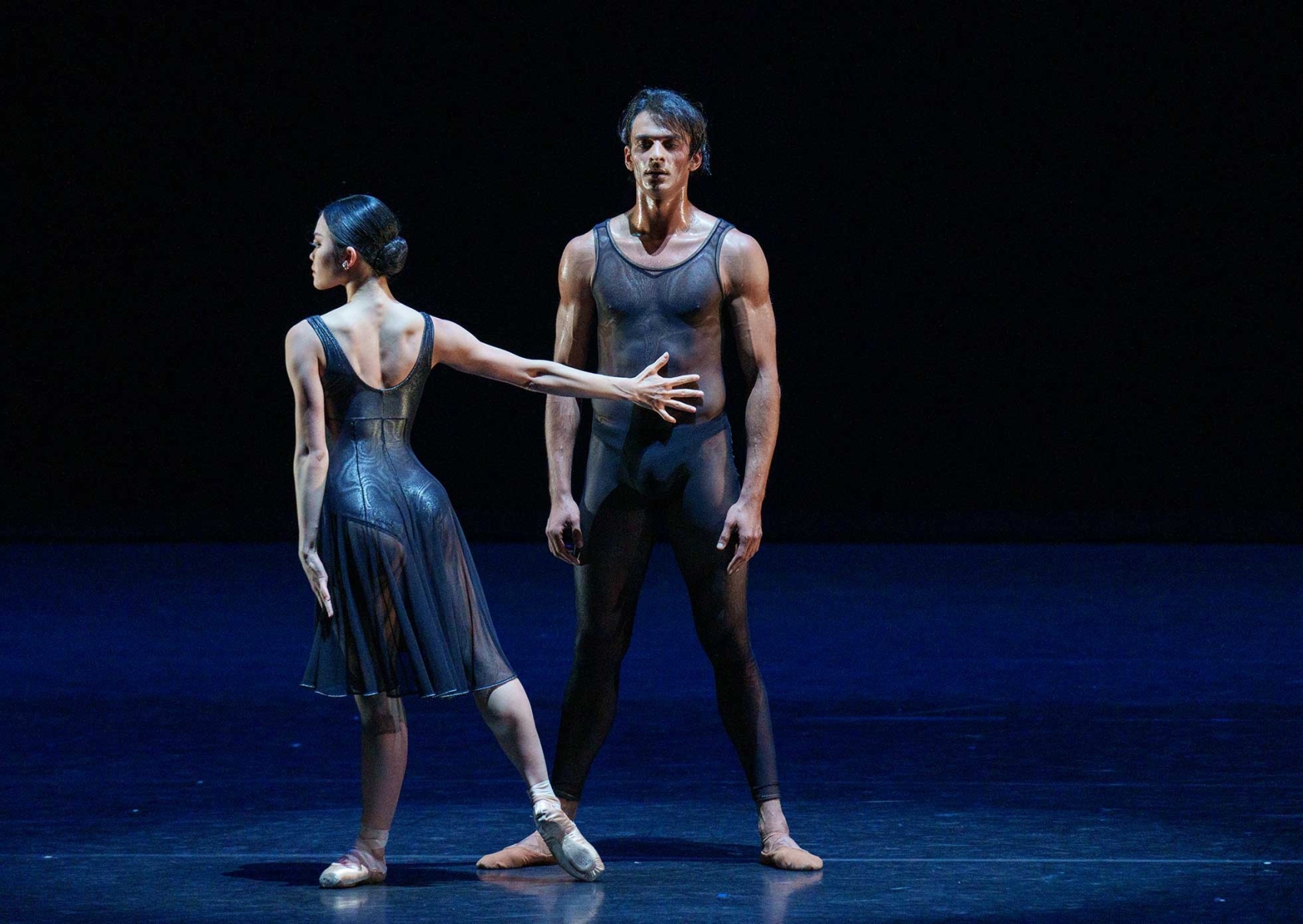
Carré's circus arena is an extraordinary performance space. The round hall encloses the audience in a way that a traditional proscenium theater cannot. For Van Manen's work, which always had much to do with proportion and space, this fits well. The Ballet Orchestra accompanies all four ballets live, conducted by conductor Karel Deseure. Costume designer Keso Dekker signed for the costumes of all four productions. Lighting design is in the hands of Jan Hofstra, responsible for Live and Two Pieces for HET, and Joop Caboort, in charge of Kammerballett and Black Cake.
That the Dutch National Ballet chooses to bring this piece back to the exact same venue, 47 years later, is no coincidence.
The performances last two hours, including one intermission. Ticket sales are through Royal Theatre Carré. For those who have never seen Van Manen's work live: this is your chance. For those who know it: these six performances are the farewell he deserves. The Dutch National Ballet and Carré created this production together, and the fact that the sixth performance had to be added simply due to audience demand says it all.
Location
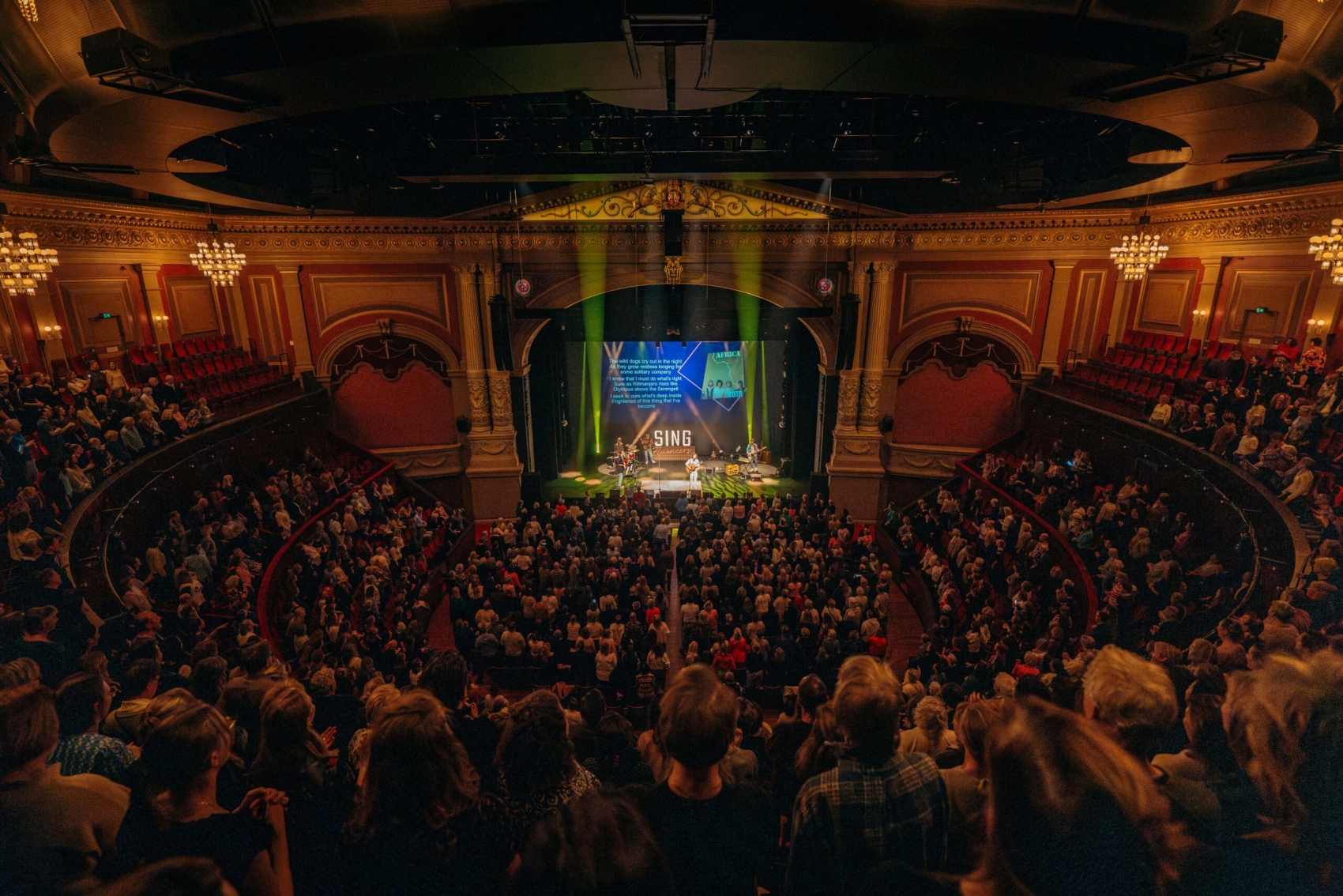
Royal Theater Carré: from circus tent to national stage on the Amstel River
Historic neo-renaissance theater, from Oscar Carré's circus to full programming with cabaret, concerts and dance
If you walk along the Amstel River and see the red letters Carré, you are looking at a piece of theater history. The neo-renaissance theater was opened in 1887 by circus director Oscar Carré as a permanent circus theater. So Circus Carré, with a huge auditorium built specifically for rings, horses and spectacular acts. That huge auditorium is still there ...
Read more