The exhibition 'Designed World. Through the Eyes of Tata Ronkholz (1940-1997)' at Huis Marseille offers an intriguing glimpse into the aesthetics and photography of an artist who was known for his unique take on industrial culture and urban landscapes. Ronkholz's work is laced with a profound appreciation for architectural forms, especially those associated with modern and often forgotten urban infrastructure. Visitors to the exhibition will have the opportunity to see the world through his lens, with an emphasis on simplicity and the beauty of everyday objects that are often overlooked.
The exhibition focuses on the period when Ronkholz worked in Germany, where he focused his camera on subjects such as telephone booths, gas stations and industrial complexes. These elements form a fascinating mosaic of post-industrial society. In his images, these everyday structures are elevated into works of art, each with its own story and historical significance. The way Ronkholz uses light and shadow to accentuate the geometry of his subjects shows how he found poetry in the everyday.
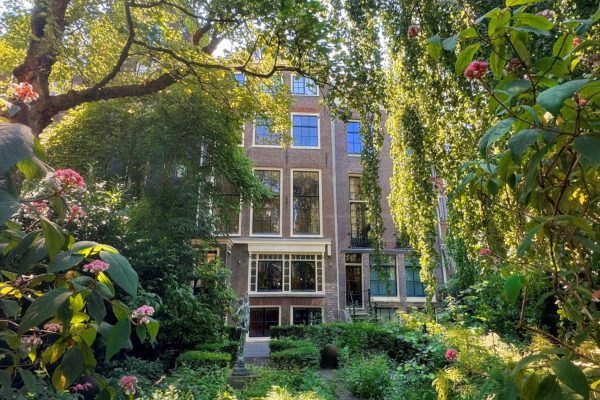
Huis Marseille provides not only a platform for this visual art, but also context and depth through accompanying texts and curatorial essays. This helps visitors understand the cultural and historical dimensions of Ronkholz's work. The layering of his work allows each viewer to find their own interpretation and meaning, encouraged by the way the exhibition is arranged. Moreover, this exhibition encourages thought: how do industrial landscapes influence our perception of the world around us?
Within the context of the exhibition, there are often additional activities such as guided tours, lectures, and workshops. This offers visitors the chance to interactively learn more about the artist and his influence. In doing so, space is also provided for current dialogues on the influence of urban architecture on our daily lives.
In summary, the exhibition "Designed World" is an unmissable opportunity for lovers of photography and architecture, as well as anyone interested in the transformation of urban spaces. Ronkholz's work is not only an artistic representation of urban desolation, but also a celebration of the beauty found in everyday life.
Location
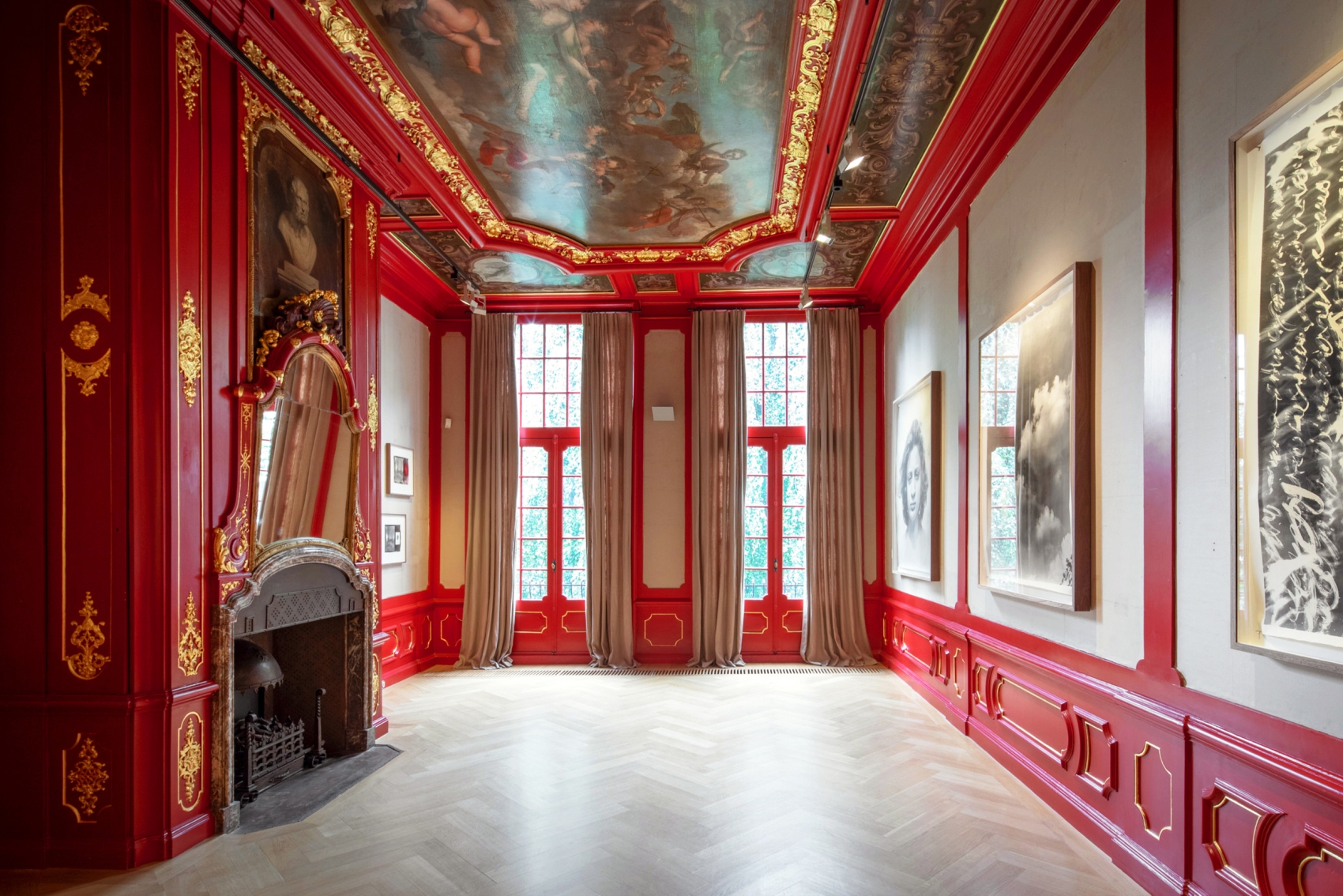
Huis Marseille: photography museum in two canal houses on Keizersgracht
A house museum where 17th-century details and changing photography enhance each other.
Huis Marseille works precisely because it's a house (not a neutral museum floor) Huis Marseille is in two monumental buildings on the Keizersgracht, with that classic layout you don't find in modern museums anymore: front of house, rooms that flow into each other, a staircase that forces you to pace yourself, and in between details where your gaze ...
Read more